Primary Races
The primary races of Kaelara inhabit the continent of Tavrenne, each shaped by its region and history. For constructed language fragments and naming conventions, see Languages.
Auriel (Golden Elves)
-
Plural: Auriels
-
Home Region: Velmere
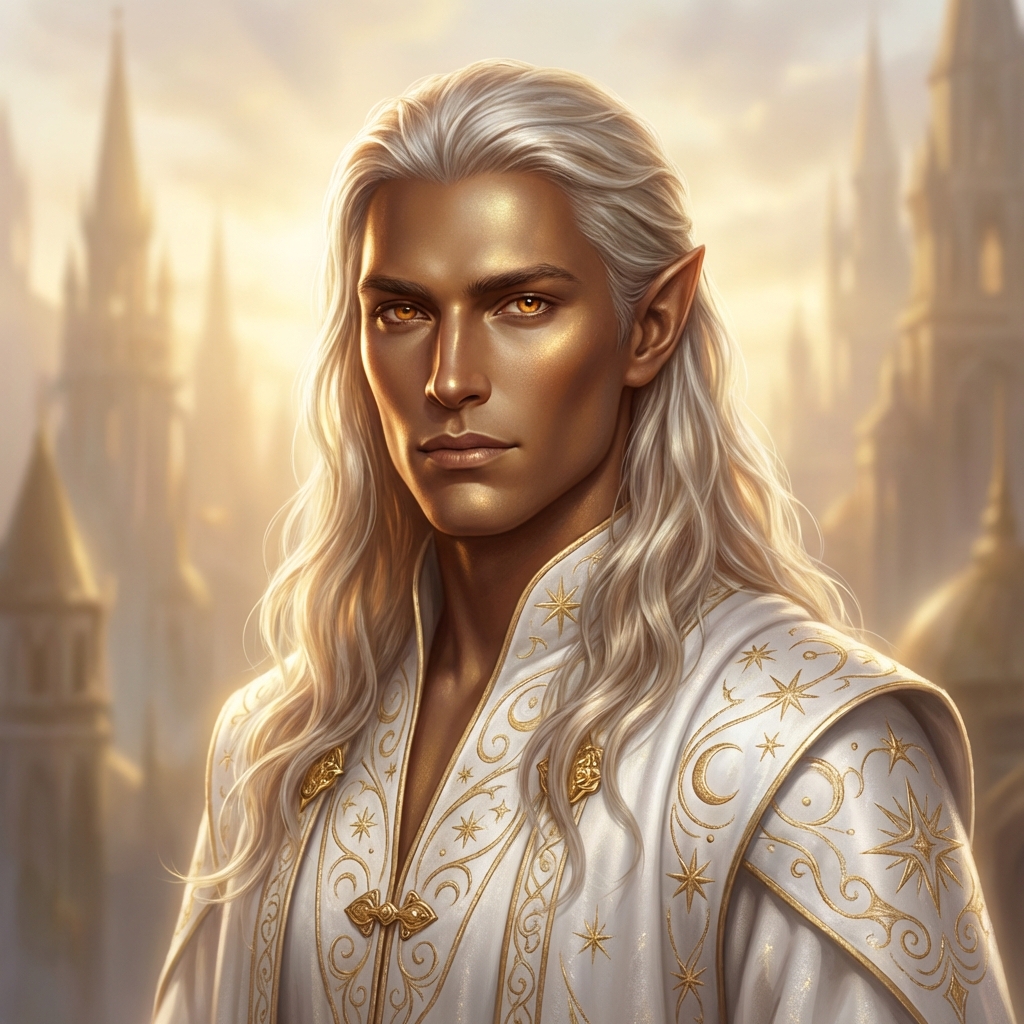
- Description: Regal, golden-skinned elves, tall and graceful, embodying nobility and celestial harmony. Their culture blends agriculture, governance, and arcane mastery, aligning with Velmere’s imperial traditions.
- Etymology: Elf
- Divine Patron: Solphirion (The Arbiter). The Auriels consider themselves Solphirion’s chosen — his golden light made flesh, his principle of balance written into their governance. The Sanctum of Solphirion in Valtharion is both the Empire’s greatest temple and its political heart. Auriel prayers do not ask for mercy; they ask for clarity of judgment.
- Lore Fit: As the ruling race of Velmere and the Empire’s capital, they embody the ideals of balance, beauty, and governance. However, the weakening Covenant has triggered a drastic decline in Auriel birth rates — the so-called Fading Bloodline.
- The Fading Bloodline: Auriels are the most magically-attuned mortal race. Their biology is woven into the Astral Veil at a cellular level — their golden skin, their longevity, and their fertility all depend on stable Veil energy. As the Covenant weakens and the Veil frays, the magical field that sustains Auriel reproduction has become erratic. Conception requires a precise harmonic resonance between parents, and the increasingly unstable Veil disrupts it. The result: fewer children each generation, and those born in the current age are often frailer, their golden hue duller. The Auriels are, quite literally, fading with the Covenant that their patron god created. This is the Empire’s darkest secret — the ruling race is dying, and no amount of political power can fix a metaphysical problem.
Tharun (Nature-Bound Mortals)
-
Plural: Tharuns
-
Home Region: Greystone
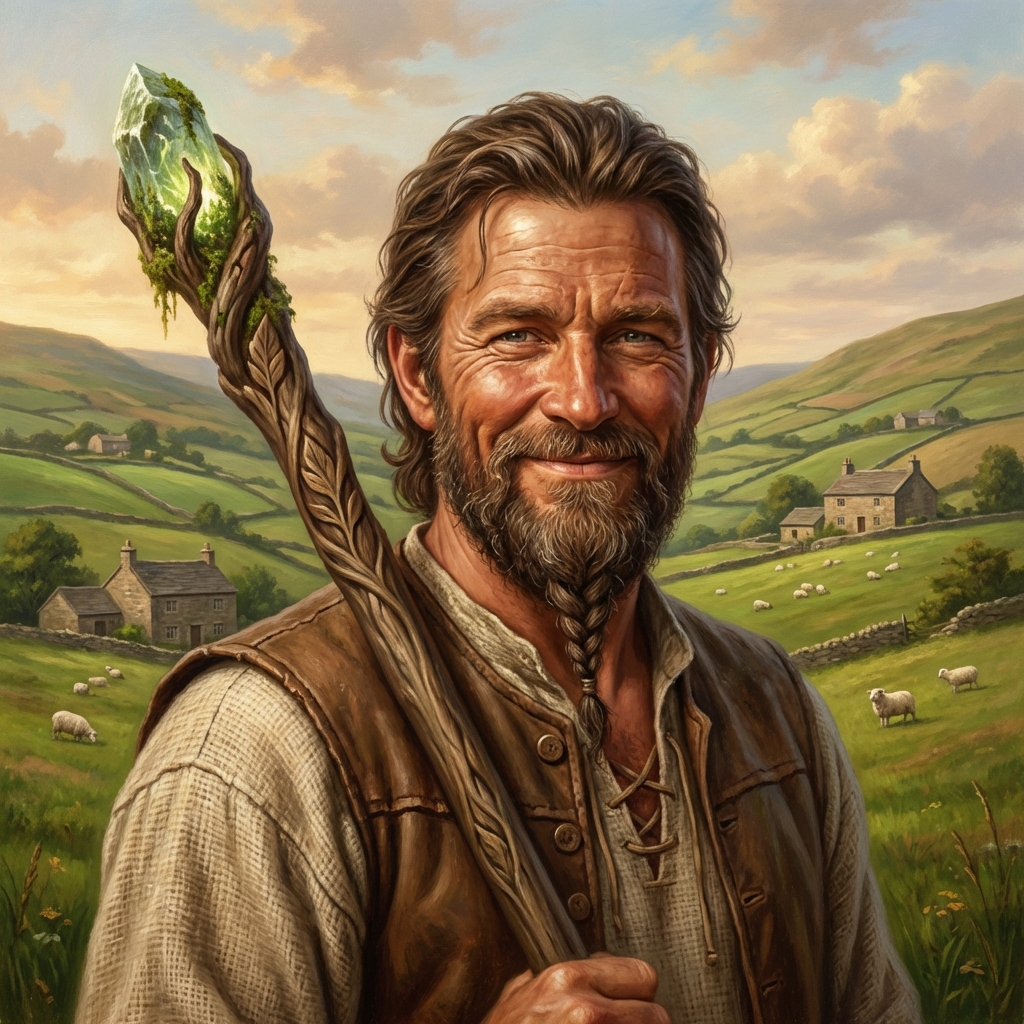
- Description: Broad-shouldered and sun-browned, the Tharuns are the farming backbone of Tavrenne. They build their settlements around ancient standing stones left by the Sylvaels who first taught them druidic ways. Their skin often carries faint green markings — vine-like patterns that deepen with age and exposure to the land’s magic.
- Etymology: Man
- Divine Patron: Othea (The Warden). The Tharuns worship the earth-mother in a way the Sylvaels taught them and the Empire never fully understood. Their druids tend stone-circle shrines where offerings of grain and wildflowers are left at every solstice. Tharun theology is simple: the land provides, and the land demands respect. Othea is not a distant god to them — she is the soil beneath their feet.
- Lore Fit: The Empire would starve without them, and the Tharuns know it. Greystone’s grain feeds the imperial capital, its timber builds the Armada’s ships, and its herbs stock every apothecary from Velmere to Ravance. But the Tharuns have never been rewarded for this. They sit on no councils. They hold no titles. As the Covenant weakens and harvests grow unpredictable — blighted fields, livestock born wrong, wells that taste of iron — a quiet anger is building. The druids say the land itself is sick, and the Empire’s only response has been to demand higher yields.
Umbric (Mystical Mortals)
-
Plural: Umbrics
-
Home Region: Blackmoor
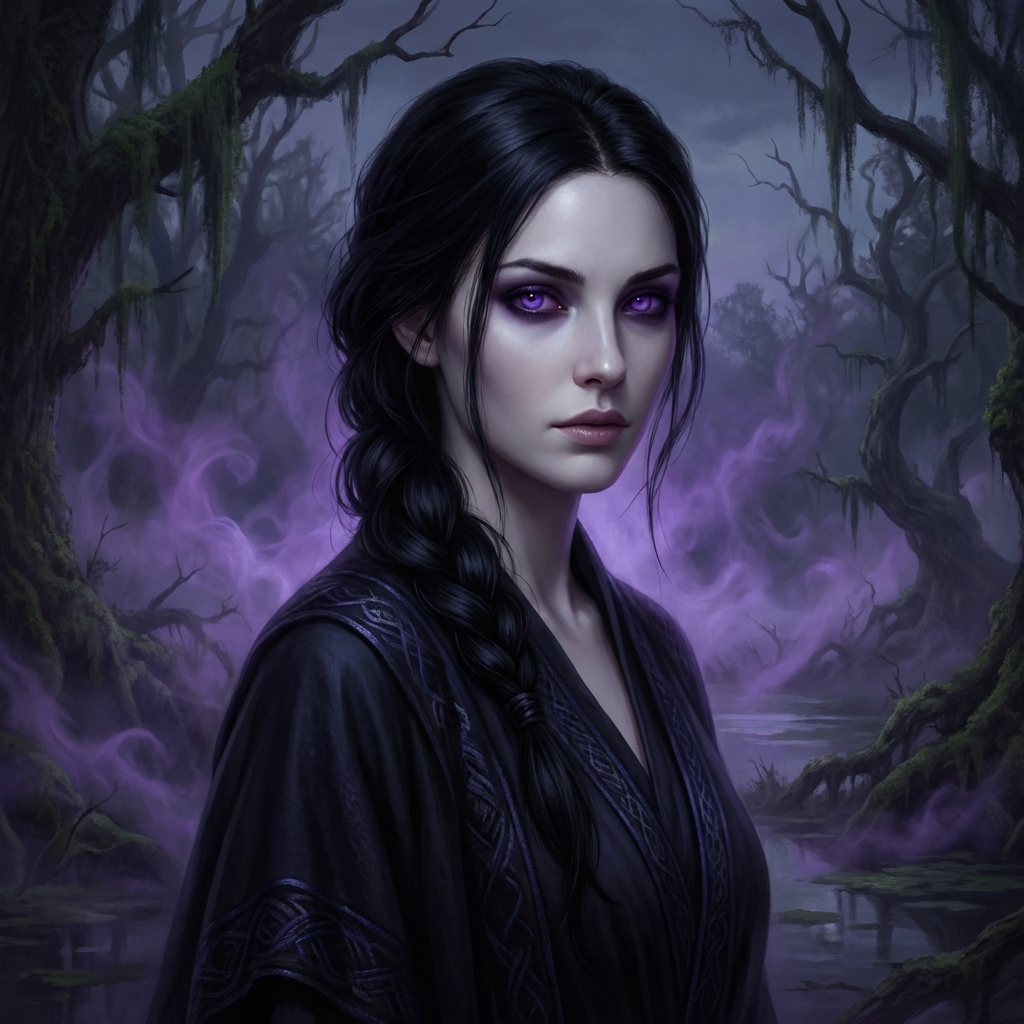
- Description: Pale to the point of translucence, with dark veins visible beneath their skin, the Umbrics are mortals reshaped by generations of living in Blackmoor’s residual divine magic. Their eyes often reflect light strangely — a faint silver sheen that makes them unsettling to outsiders. They are naturally attuned to the Leylines and can sense magical disturbances the way most people sense a change in weather.
- Etymology: Man
- Divine Patron: Lunarae (The Weaver). The Umbrics train at the Moonloom — Lunarae’s temple in Blackmoor — where initiates sit among petrified Leyline threads and learn to feel the Veil’s rhythms in the dark. The temple opens only at night, and Umbric prayer is conducted in silence, through meditation rather than spoken word. They believe Lunarae wove the Astral Veil from her own essence, and that those who can sense its threads are her inheritors.
- Lore Fit: The rest of the Empire has never trusted the Umbrics. They live too close to the Obsidian Marshes, know too much about the Void, and speak too casually about things that should frighten them. The Imperial Sanctum keeps a permanent garrison at Blackmoor’s border — officially to “protect” the Umbrics, in practice to watch them. As the Covenant weakens, the ambient magic in Blackmoor is surging. Umbric children are being born with abilities that used to take decades to develop. The Empire sees a threat. The Umbrics see vindication.
Tirael (Ocean Elves)
-
Plural: Tiraels
-
Home Region: Ravance
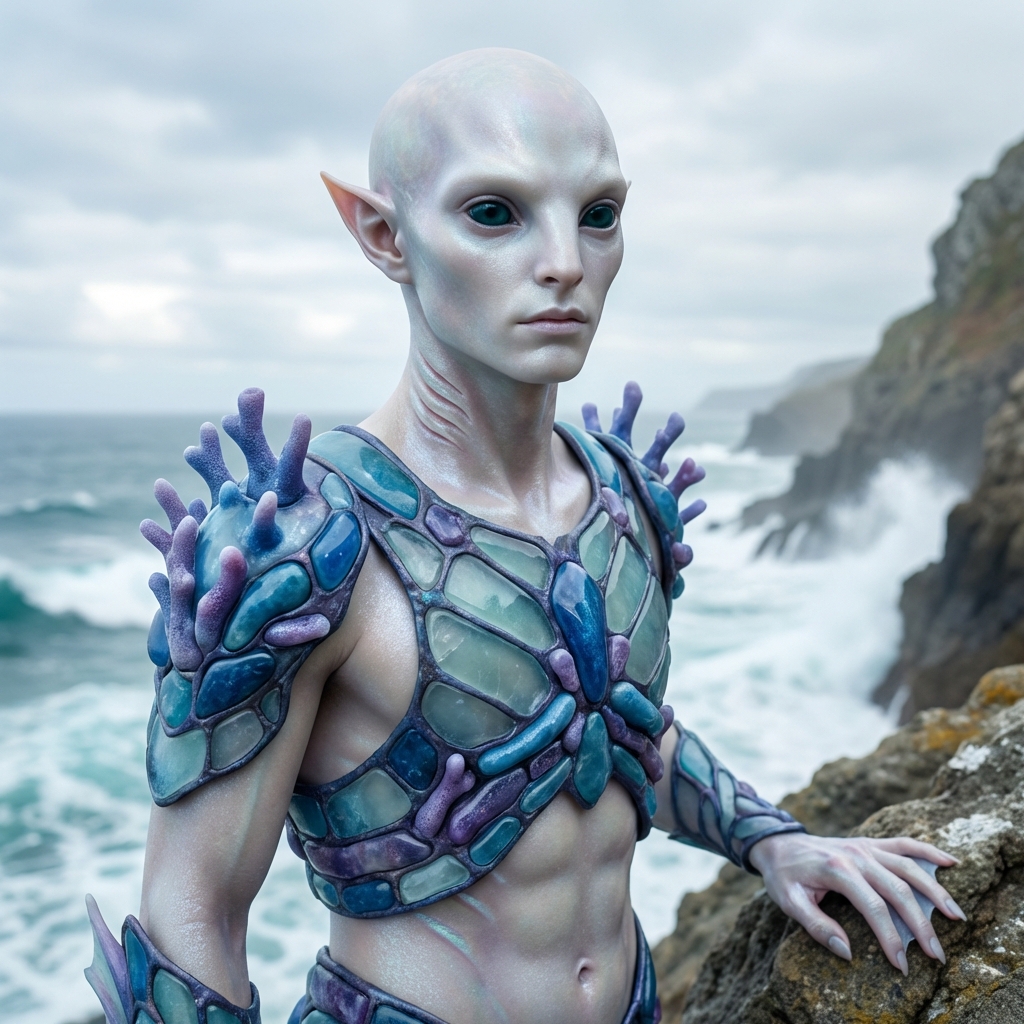
- Description: Tall and lean, with pearlescent skin that shifts between blue and silver depending on the light. Tiraels have webbed fingers, elongated ears that flatten against their heads when swimming, and pupils that widen to take in light beneath the waves. They are born sailors — their sense of direction at sea borders on supernatural, and their oral histories claim they could navigate by starlight before anyone thought to draw a map.
- Etymology: Elf
- Divine Patron: Aenior (The Tide, in his oceanic aspect). The Tiraels know Aenior as the living sea — the current that guides, the storm that tests, the calm that rewards. Every Tirael vessel carries a salt-water shrine at the bow, and captains pour a cup of fresh water into the ocean before each voyage as an offering. The Tiraels and the Ashveils worship the same god in radically different forms — a doctrinal split that has never been resolved.
- Lore Fit: Ravance has always been the Empire’s odd province — loyal on paper, independent in practice — and the Tiraels are the reason. They pay their taxes and supply their ships, but they answer to the Singing Reefs before they answer to the throne. The rise of the Crimson Compact has put them in an impossible position. The Compact recruits heavily from Tirael sailors, and the Empire suspects Ravance’s harbormasters of looking the other way. Some Tiraels have begun to ask openly whether they need the Empire at all — a question that would have been treason a generation ago.
Duralith (Craggy Beasts)
-
Plural: Duraliths
-
Home Region: Ironridge
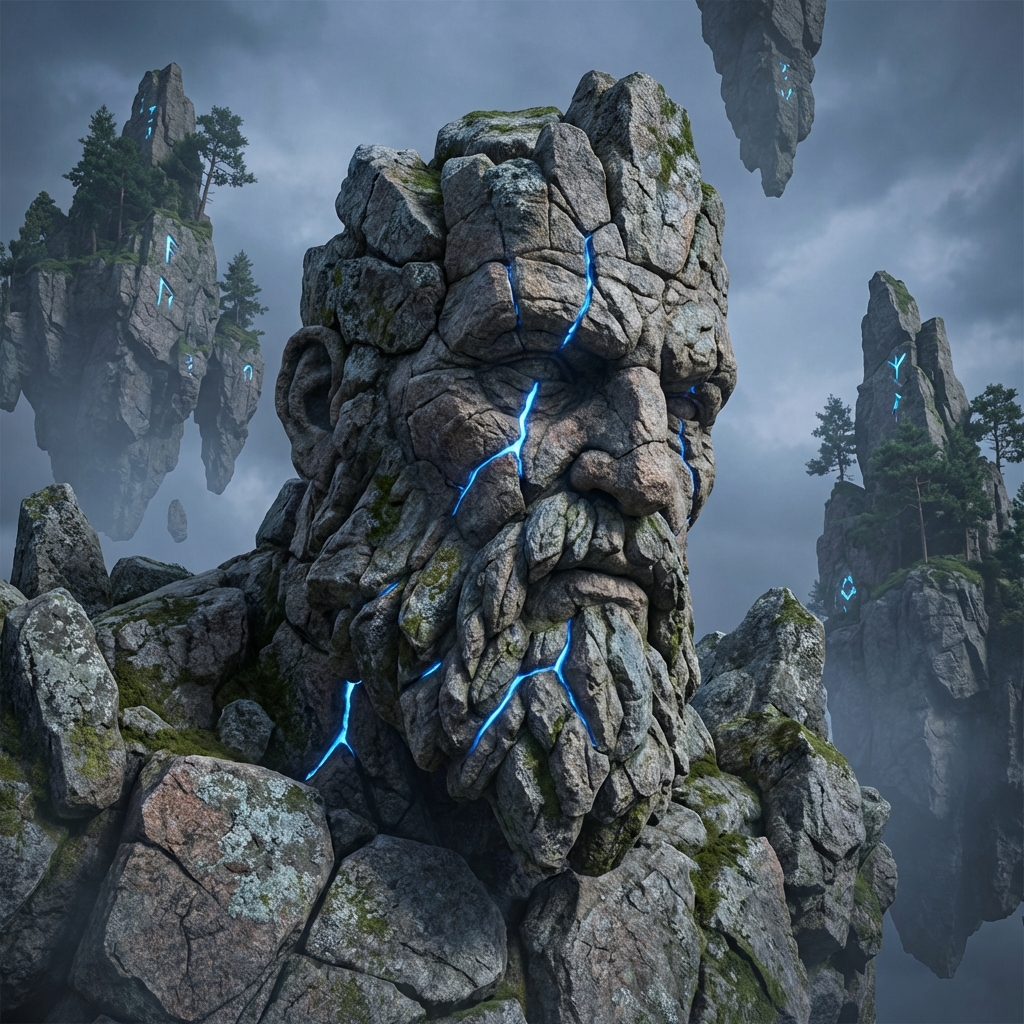
- Description: Massive, craggy humanoids standing seven to nine feet tall, with skin of layered granite and basalt split by veins of faintly glowing Leyline energy. Their eyes are deep-set and luminous, the color of raw Erythium. Duraliths move with surprising deliberation — not slow, but considered, as if every step is placed with the mountain’s patience. Their voices resonate like stone striking stone, and the oldest among them have moss and mineral deposits growing across their shoulders and backs. When a Duralith dies, their body does not decay — it petrifies, joining the mountain that made them.
- Etymology: Beast
- Divine Patron: Oroth (The Anchor). The Duraliths worship Oroth not through temples or prayers but through presence — by standing watch, by enduring, by refusing to move when the world demands it. Their holiest act is the Stone Vigil, in which a Duralith plants themselves on a peak and remains motionless for days, anchoring the Leyline beneath them through sheer will. They believe Oroth is the mountain, and that every stone in Ironridge is a fragment of the god’s body.
- Lore Fit: The Duraliths have guarded Ironridge’s Erythium deposits since before the Empire existed, and they view the Iron-Guilds’ industrial mining operations with deep ambivalence — tolerating what they cannot stop, profiting where they can, and quietly mourning every ton of ore that leaves the mountain. As the Leylines weaken in the current age, the Duraliths are physically deteriorating, their stone forms cracking as their power source fades. The youngest generation is being born thinner, lighter, with skin more slate than granite. The elders call it the Thinning, and they do not speak of it in front of outsiders.
Ashveil (Desert Mortals)
-
Plural: Ashveils
-
Home Region: Zarnath
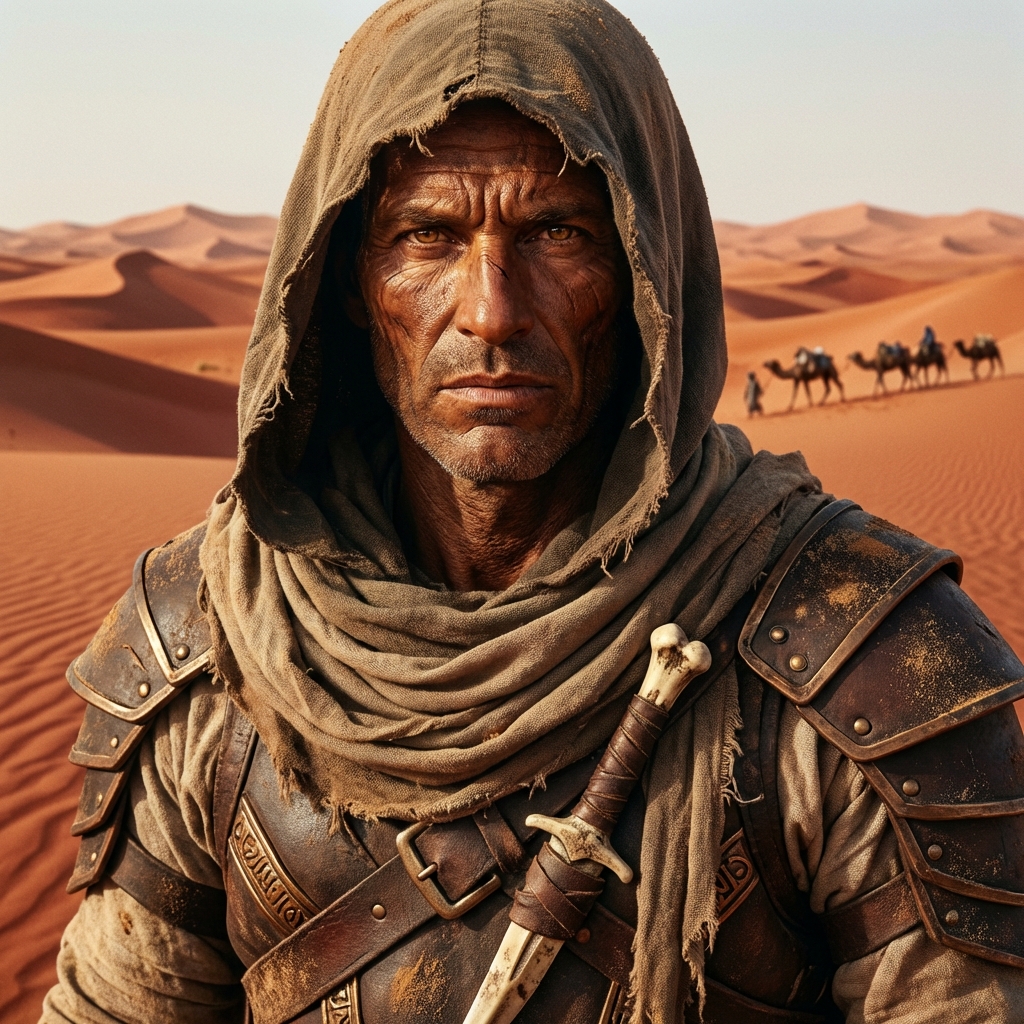
- Description: Lean and weathered, with skin the color of dark sand that carries a faint heat even to the touch. Ashveils wrap themselves in layered robes of fire-resistant fabric — their own invention, woven from fibers that grow only in Zarnath’s volcanic soil. Their eyes are pale against their dark complexions, often amber or bleached gray, adapted to the relentless glare of the Scorched Expanse. They move in caravans, following routes memorized over generations, and can navigate the deep desert by reading wind patterns and sand-grain density. An Ashveil lost in the desert is a contradiction — the desert is their map.
-
Etymology: Man
-
Divine Patron: Aenior (in his desert aspect, called The Scorching Wind). While the Tiraels worship Aenior as the sea-god, the Ashveils know him differently — as the force that reshapes the dunes, the hot wind that scours weakness, the change that comes without warning. Their theology holds that Aenior does not comfort; he tests. This doctrinal split between the coastal and desert worshippers of the same god has been a source of theological conflict for millennia, and the Imperial Sanctum refuses to acknowledge the Ashveil interpretation as legitimate.
- Lore Fit: The Empire has never conquered Zarnath, and the Ashveils will tell anyone who asks that the desert did the work for them. Imperial surveyors sent to map the Scorched Expanse return sunburned, dehydrated, and missing their equipment — if they return at all. The Ashveils trade on their own terms: rare spices, fire-resistant textiles, and deep-desert reagents exchanged for metal and lumber they cannot source in the sand. They maintain trading posts at the desert’s edge but allow no outsider past the first dune line. What lies in the deep desert — their cities, their sacred sites, their true numbers — remains a complete unknown. As the Covenant weakens, the Ashveils have grown even more reclusive, pulling their caravans further inward. Whether they are hiding from something or preparing for it, no one on the outside can say.
Vaeryn (Frozen Warriors)
-
Plural: Vaeryns
-
Home Region: Caldrith
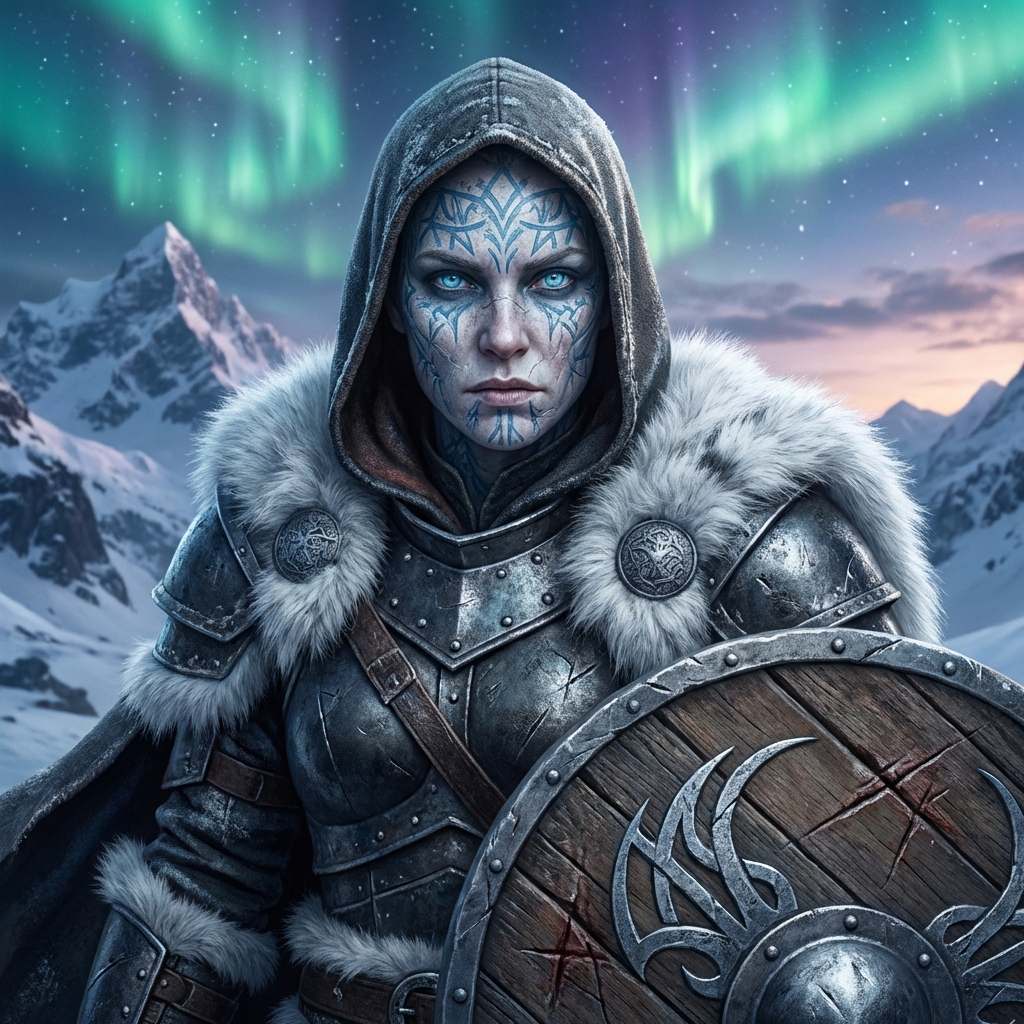
- Description: Broad and powerfully built, with pale skin marked by blue-gray veins from a lifetime in sub-zero conditions. Vaeryn hair is universally white or silver, worn long and braided with bone charms that denote clan lineage. Their features are blunt and weathered, their hands calloused from axe and ice-pick alike. They are the largest of the mortal races — a tall Vaeryn stands over six and a half feet — and their endurance in cold is unmatched. A Vaeryn can sleep in a snowbank and wake refreshed. They consider this unremarkable.
-
Etymology: Man
-
Divine Patron: None (The Great Wolf). The Vaeryns worship no Covenari. Their mythology centers on the Great Wolf — a being they claim breathed the world into existence, older than the Covenari, older than the Covenant. Whether the Great Wolf is a forgotten Primordial, a misremembered aspect of Othea, or something else entirely remains one of Kaelara’s genuine theological mysteries. The Empire classifies Vaeryn religion as heresy because it doesn’t fit the seven-god framework, and this has fueled Vaeryn resentment for centuries.
- Lore Fit: The Vaeryns were the last race the Empire subjugated, and they have never forgiven it. Caldrith was taken by force during the Age of Conquest, and the Vaeryns accepted defeat only after their clan-holds were burned and their Saga-Keepers executed to destroy their history. It did not work. New Saga-Keepers memorized what the old ones carried, and the oral tradition survived intact — a fact the Vaeryns consider their greatest victory. Today, their loyalty to the Empire is a performance maintained at sword-point. The clan chiefs meet in Frost-Hold to plan rebellions they call “hunts,” and the younger warriors have stopped pretending to be loyal at all. They have sensed the Empire’s waning strength — “smelling the decay,” as their elders say — and the question in Caldrith is no longer whether to rebel, but when.
Emberkin (Volcanic Beasts)
-
Plural: Emberkins
-
Home Region: Kaelroch
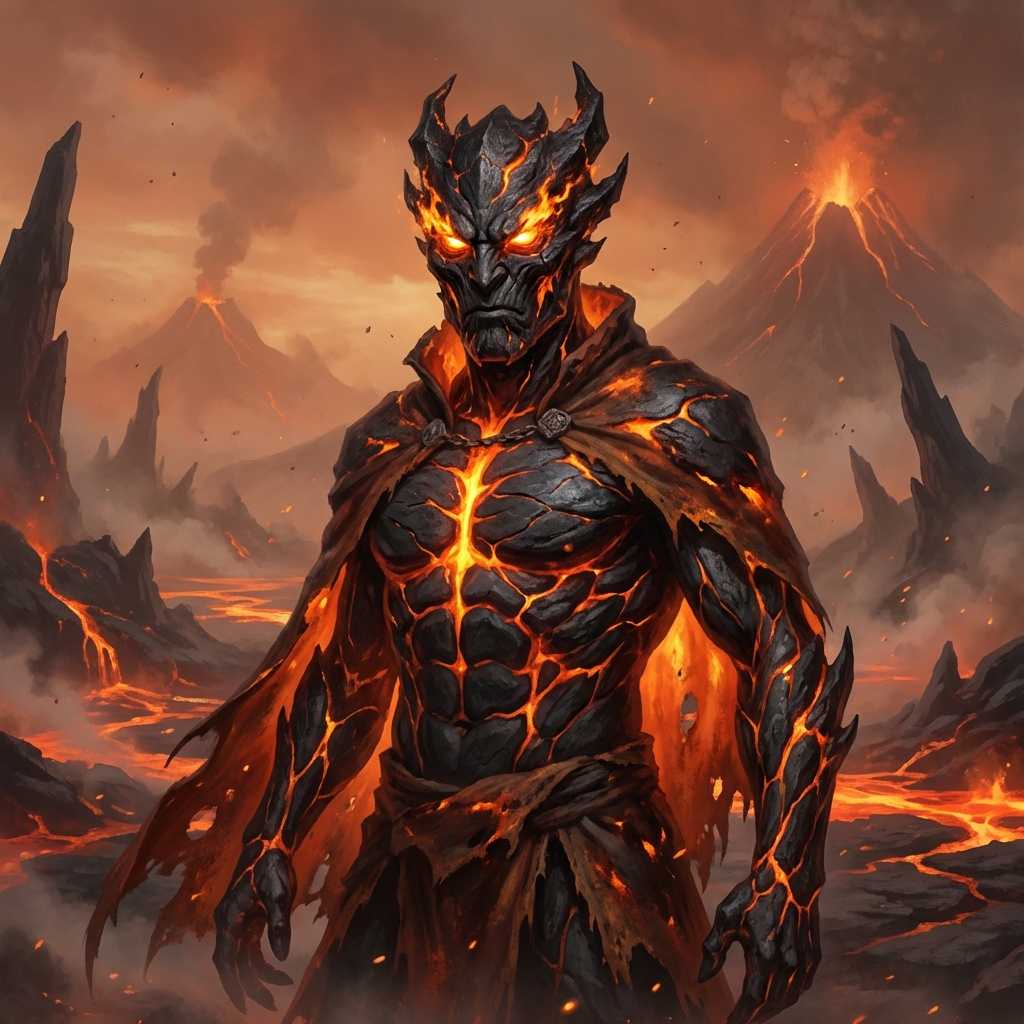
- Description: Stocky and dense-boned, with skin like cooled basalt split by veins of molten light. When an Emberkin is calm, the glow is faint — a dull orange tracing their arms and throat. When angry or using magic, the cracks widen and their blood burns white-hot. They are natural alchemists. Their internal heat lets them smelt ore with their bare hands, and Emberkin-forged alloys are prized across Tavrenne for holding enchantments better than any other metalwork.
- Etymology: Beast
- Divine Patron: Ignifer (The Soulforge). The Emberkin worship Ignifer in the most literal way possible — through the act of creation. Every forge-fire is a prayer, every alloy a hymn. Their holiest site is the Crucible, where young Emberkin undergo the Trial of the Flame, smelting their first creation in volcanic heat that would kill any other race. They believe Ignifer’s heart still burns at Kaelroch’s core, and that the volcanoes are his breath.
- Lore Fit: Kaelroch is barely habitable for anyone else, which suits the Emberkin fine. They have little interest in imperial politics and even less patience for diplomats who arrive sweating and gasping in the ash-choked air. But the Empire wants what Kaelroch has — rare volcanic minerals, fire-resistant compounds, and the Emberkin’s alchemical knowledge. As the Covenant weakens, Kaelroch’s volcanoes have grown more active. The Emberkin read this as a sign that the old fires are waking. Whether that excites or frightens them depends on which clan is asked.
Sylvael (Forest Elves)
-
Plural: Sylvaels
-
Home Region: Havenwood
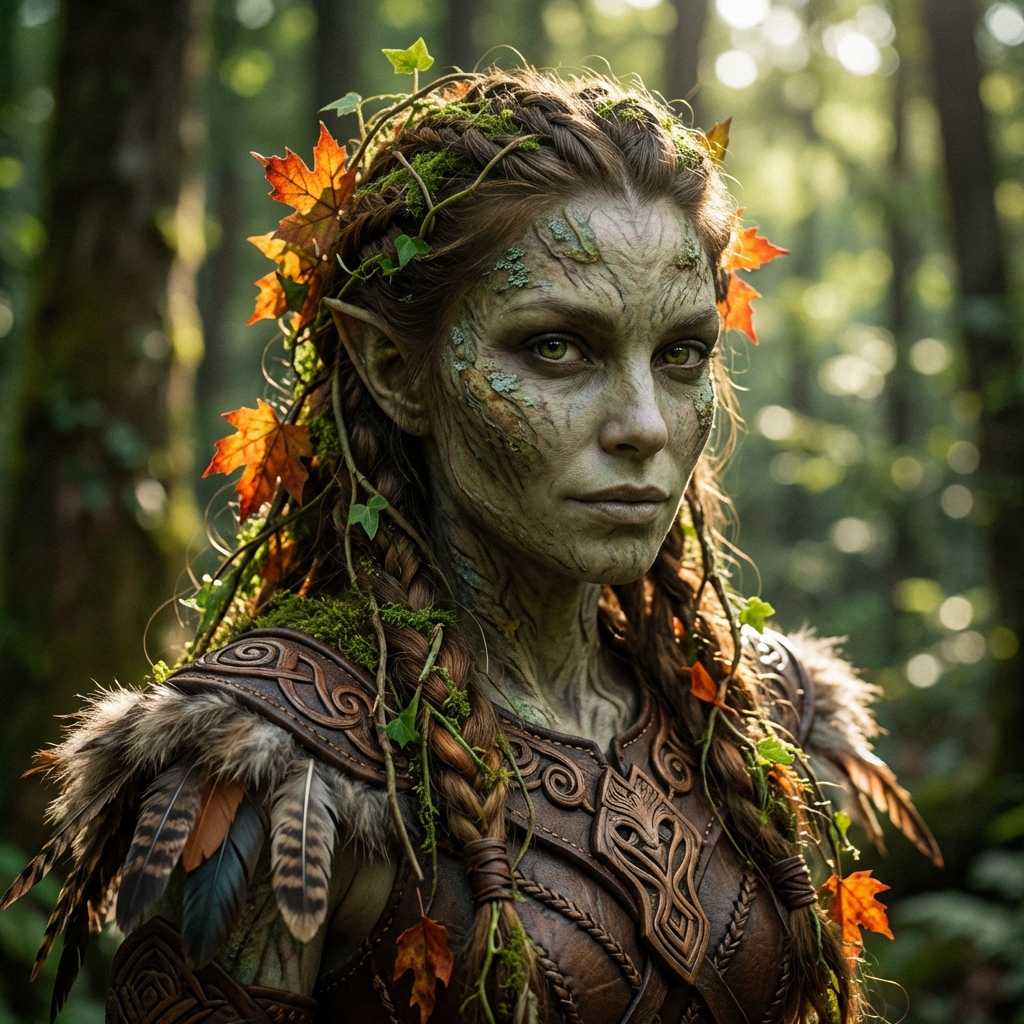
- Description: Willowy and quiet, with bark-like patterns that mottle their skin in shades of brown and green. A Sylvael standing still in a forest is almost invisible. Their hair grows with leaves and small flowers woven through it — not as decoration, but as a natural part of their biology. They age slowly, and the oldest among them have skin that has hardened into something closer to wood than flesh.
- Etymology: Elf
- Divine Patron: Othea (The Warden). The Sylvaels were Othea’s first children — or so their elders claim. Their worship predates the Tharuns’ by millennia and is woven into the forest itself. Every ancient tree in Havenwood is considered a living prayer, and the act of tending the canopy is indistinguishable from worship. The Sylvaels do not build temples. The forest is the temple. It is this bond that makes the current blight so devastating — if Othea’s forest is dying, what does that say about the goddess?
- Lore Fit: The Sylvaels carry a wound that has never healed. They are the race that the Crisaels were taken from — their kin, transformed by violence into something unrecognizable. The guilt and grief of the Violation of the Grove defined Sylvael culture for millennia. They withdrew deep into Havenwood and sealed their borders. They taught the Tharuns but refused to join the Empire. Now, as the Covenant frays and the forests sicken — trees rotting from the inside, animals migrating in wrong seasons — the Sylvaels face a choice they have avoided for three ages: step out of the woods, or watch everything they protect die behind their sealed gates.
Crisael (Rebellious Elves)
-
Plural: Crisaels
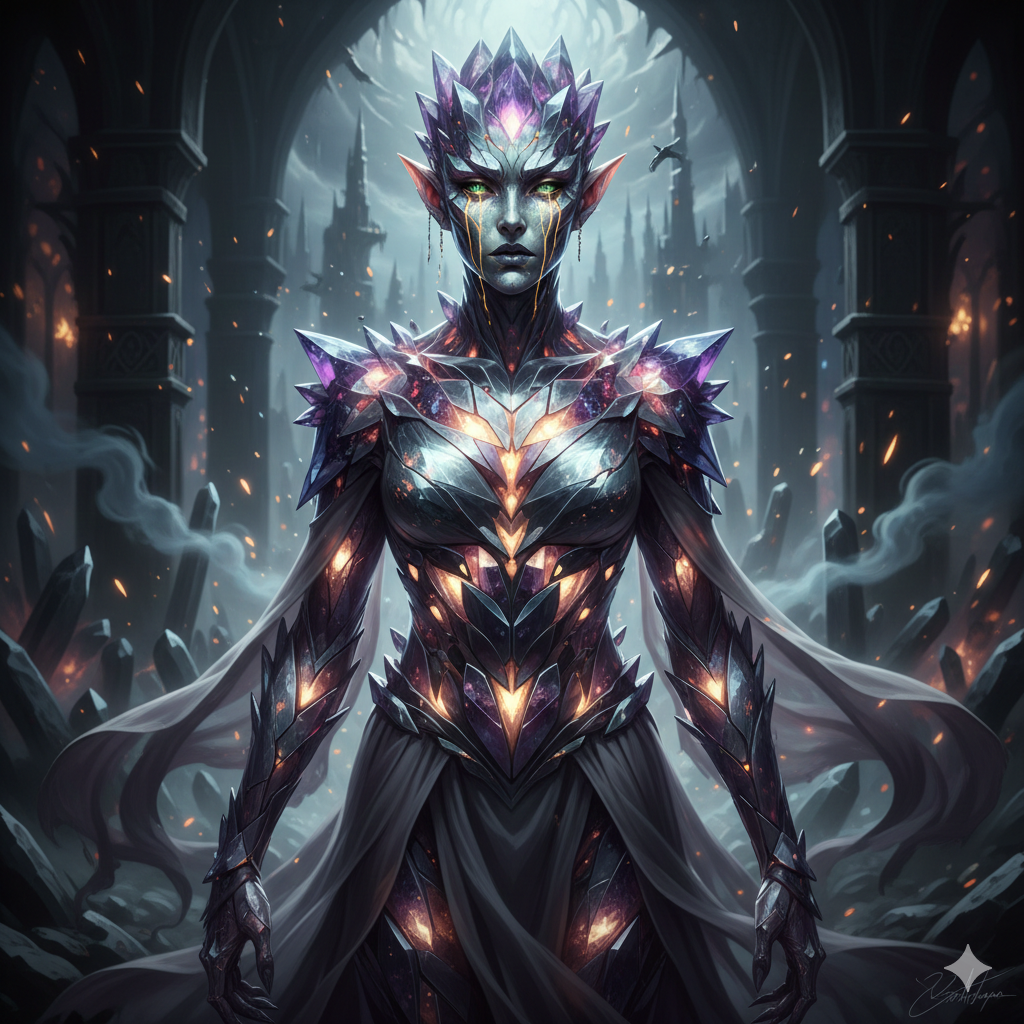
- Description: Angular and sharp-featured, with skin of translucent crystal that refracts light in prismatic bursts. No two Crisaels look alike — some are faceted like cut gemstone, others frosted and opaque, others shot through with dark fracture lines like cracked ice. Their bodies hum faintly with stored magical energy, and in moments of strong emotion the crystal brightens, casting colored light across nearby surfaces. They are lighter than they look and move with a brittle grace that unsettles those accustomed to flesh. When a Crisael bleeds, the wound leaks not blood but a luminous fluid that crystallizes on contact with air.
- Etymology: Elf
- Divine Patron: None. The Crisaels reject the Covenari entirely. A god’s servant tore them from their original forms, and no god intervened to stop it. They view divine worship as submission to powers that have already proven themselves indifferent to mortal suffering. The Thousand-Petal Court has formalized this rejection into a theology of self-determination — the Crisaels will forge their own destiny without kneeling to anyone, divine or otherwise.
-
Origin: Once Sylvaels (Forest Elves), they were transformed during the Shattering Age when Karnath-Magar (The Flayed Lord) descended upon their sacred grove. In a horrific act of dominance, he brutally raped the Sylvael matriarchs during a celestial alignment, corrupting their divine connection.
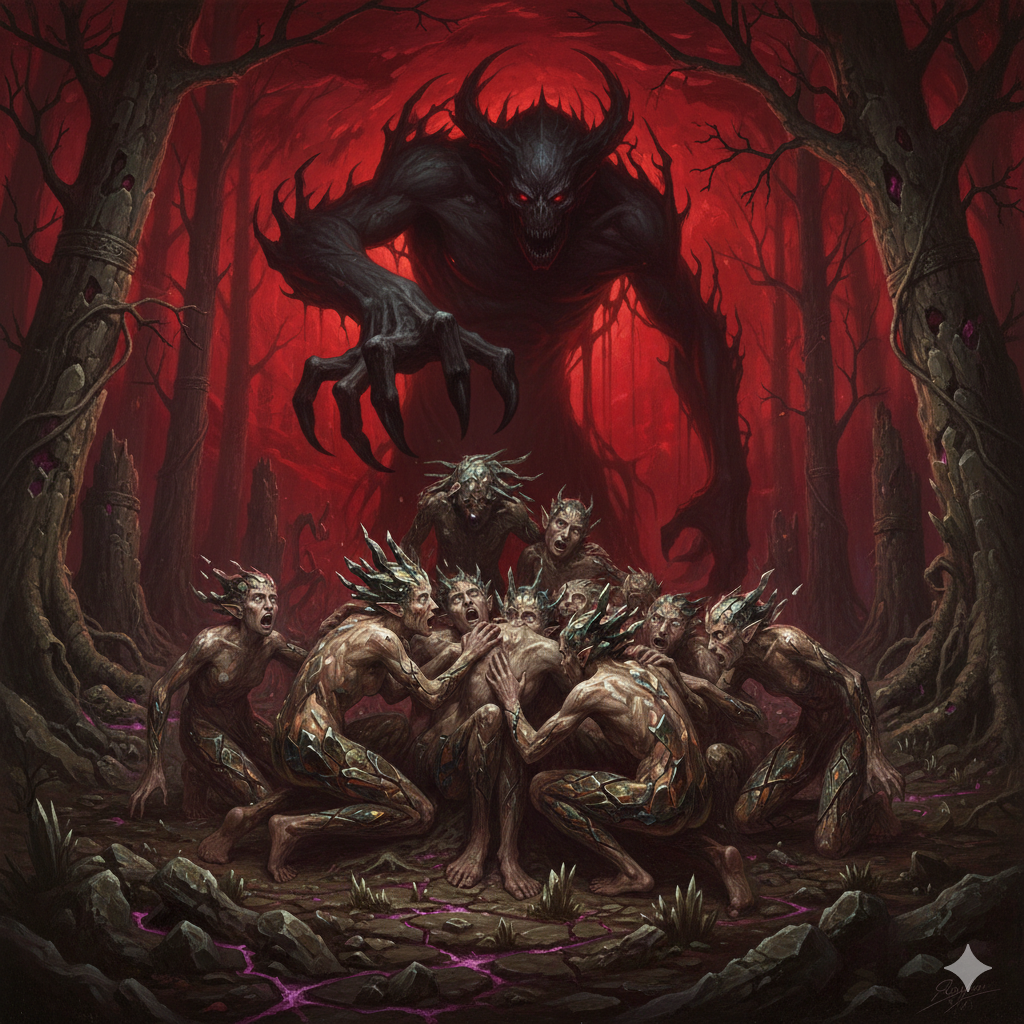 The resulting trauma and surge of violated celestial energy did not just break them — it “crystallized” their essence, locking their pain into rigid, faceted forms.
 -
Lore Fit: Harshly persecuted by the Auriels, who viewed their transformation as a “taint” rather than a tragedy. This victim-blaming fueled their resentment. In the current age, the weakening Covenant causes their crystalline bodies to resonate with unstable magic, making them more powerful and volatile than ever.
Other Races
Live on the other continents.
Dunthar (Mountain Dwellers)
-
Plural: Dunthars
-
Home Region: Valkora
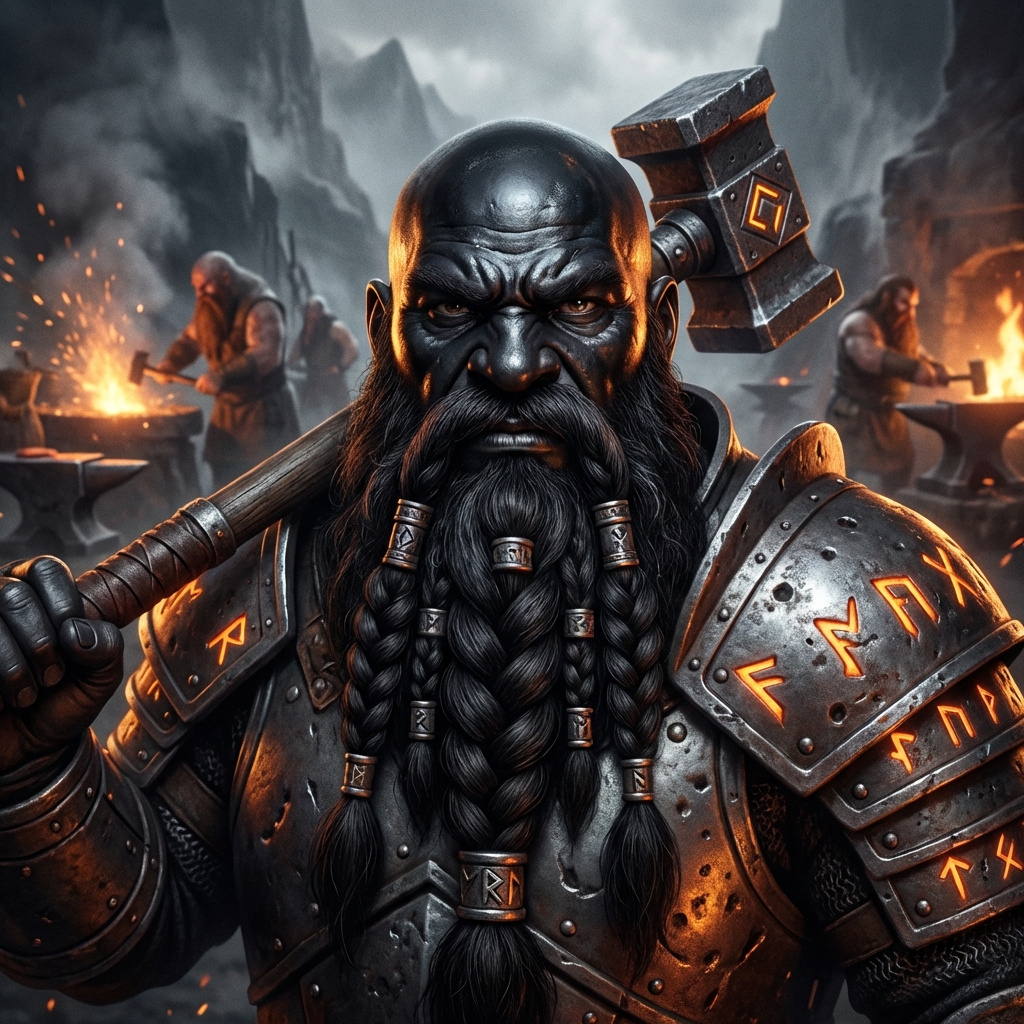
- Description: Stocky, resilient humanoids with obsidian-like skin. Master crafters believing in the “Soulforge”. They remain largely unknown on Tavrenne, rarely leaving their shattered continent.
- Etymology: Beast
- Lore Fit: A complete enigma. They are isolated on Valkora and have no known presence in the Empire or Tavrenne. Use them as a mysterious, distant civilization.
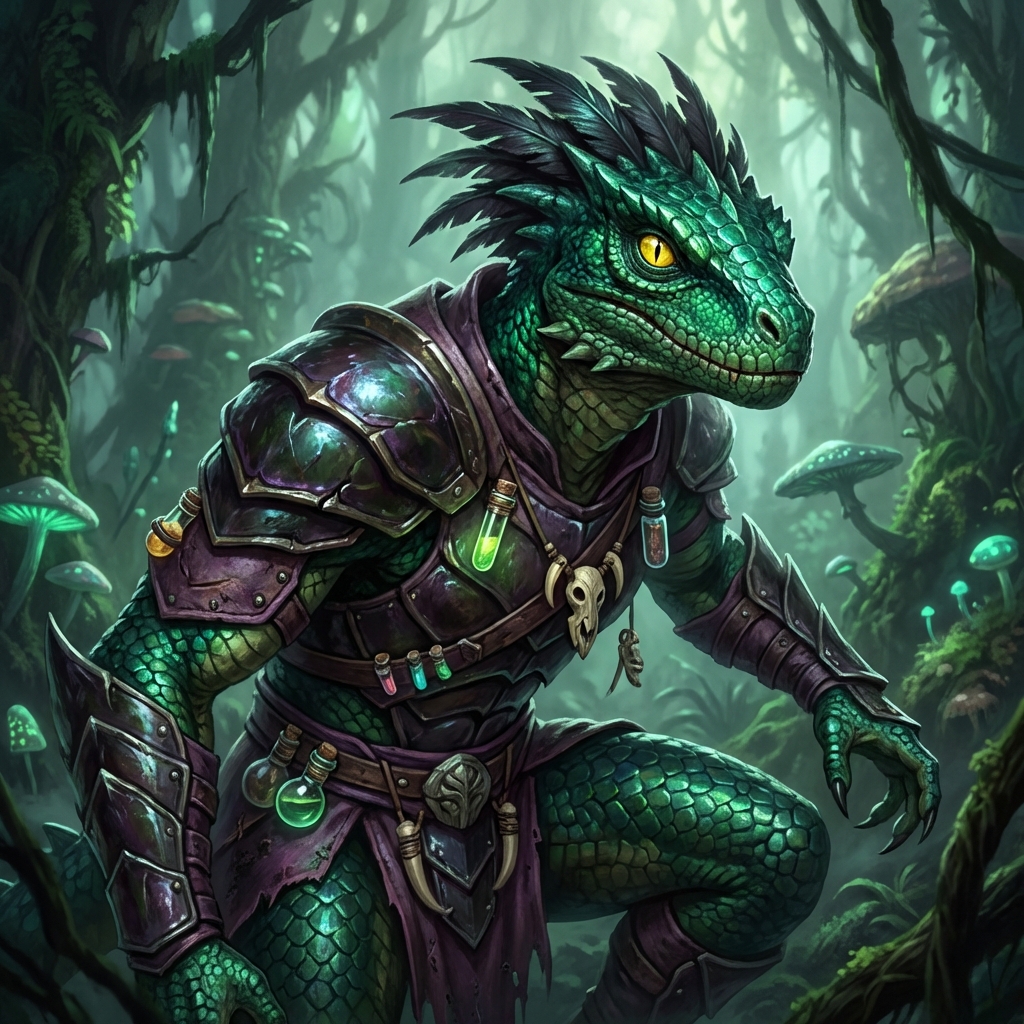
Vyrkol (Reptilian Humanoids)
-
Plural: Vyrkols
-
Home Region: Zephyra
- Description: Cold-blooded reptilian humanoids adept at poison and alchemy. Dwell in the dense jungle canopies that cover Zephyra’s floating archipelago islands.
- Etymology: Beast
- Lore Fit: Fits the treacherous jungles of Zephyra.
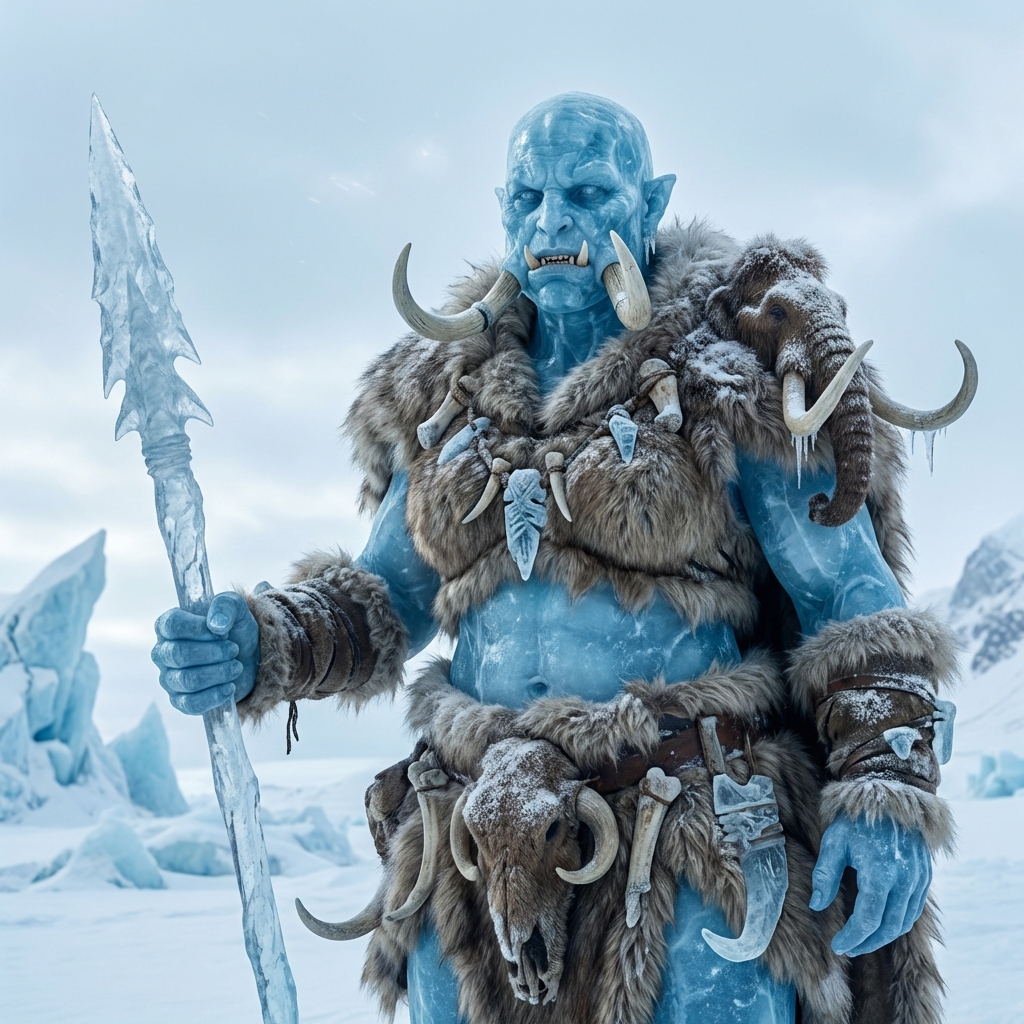
Glacaran (Ice Giants)
-
Plural: Glacarans
-
Home Region: Thalyssar
- Description: Towering humanoids with frost-covered skin. Nomadic hunters of tundra beasts.
- Etymology: Giant
- Lore Fit: Embodiment of the frozen wasteland.
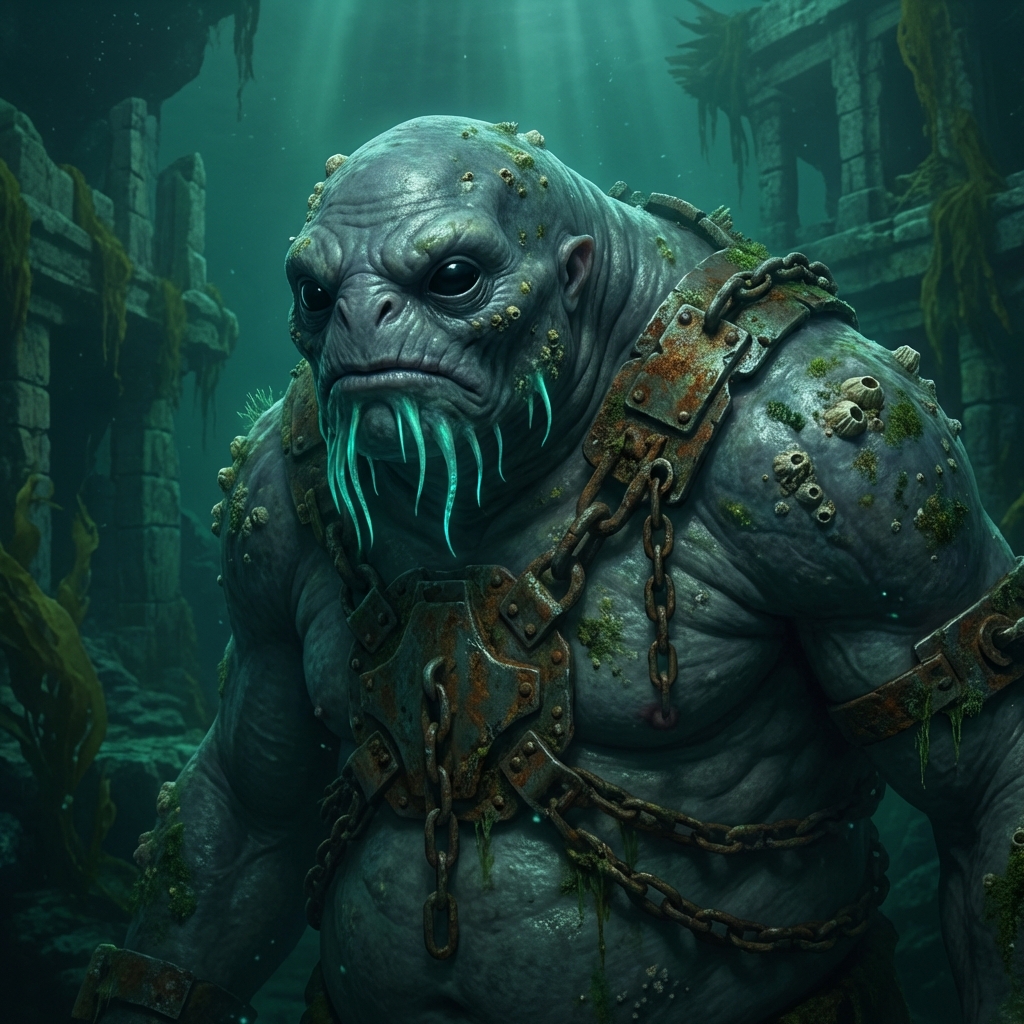
Molthyr (Amphibious Colossals)
-
Plural: Molthyrs
-
Home Region: Astrinor
- Description: Amphibious humanoids, slow-moving but immensely strong. Guardians of submerged ruins.
- Etymology: Giant
- Lore Fit: Guardians of the lost continent.